Clay Panels vs. Fuzhen Flexible Clay Panels of MCM: How to Choose Exterior - wall Materials? Read This Article to Avoid Pitfalls
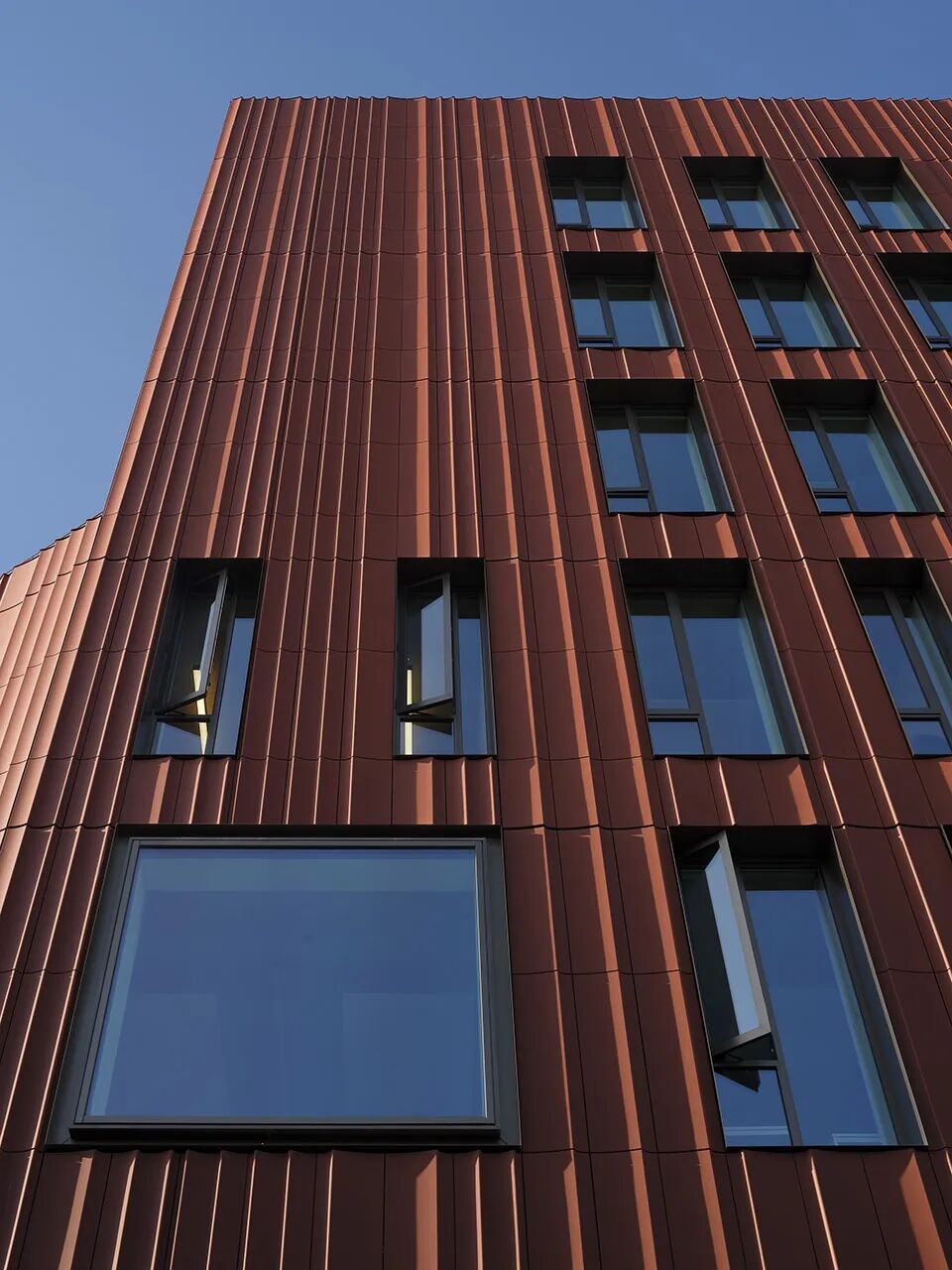
Today, we will compare traditional clay boards with Fuzhen MCM flexible boards. We'll conduct a comprehensive comparison from four aspects: performance, construction, cost, and maintenance, to help you clarify the logic of choosing exterior wall materials in one go.
1. First, understand: The "origins" and essential differences between the two materials
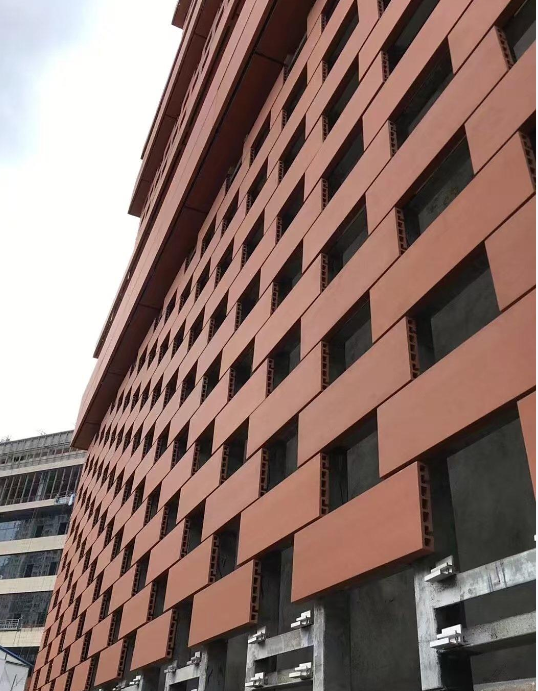
Clay board dry - hanging system
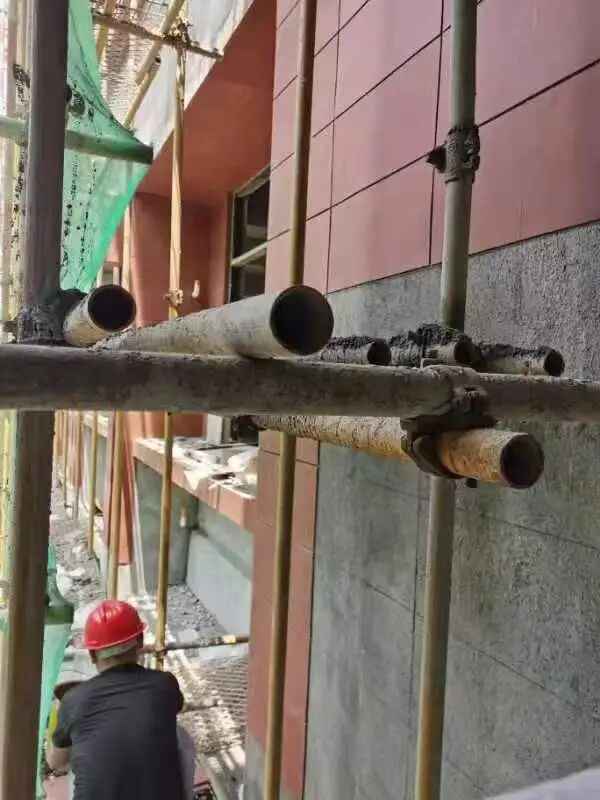
Fuzhen MCM soft porcelain is directly applied to the wall with a special adhesive.
Fuzhen MCM Flexible Clay BoardRaw materials: Based on natural mineral powder and inorganic polymer materials, it is formed by a patented compounding technology without high - temperature sintering, belonging to the "room - temperature compounded flexible material". Core characteristics: It has a flexible texture and controllable density. The finished product has a thickness of only 3 - 6mm and a self - weight of only 4 - 10kg/㎡, which is one - fifth that of traditional clay boards. Installation method: It can be directly pasted with a special adhesive, or dry - hung in combination with a keel. The wet - pasting / dry - hanging dual - mode is adaptable, providing a more flexible construction method.
2. Comparison in Four Core Dimensions, with Clear - cut Differences
| Comparison Item | Terracotta Panel | Fuzhen MCM Flexible Terracotta Panel |
|---|---|---|
| Water Absorption Rate | Approximately 6%-12% (depending on the firing process). Long-term outdoor use is prone to efflorescence and whitening, with higher risks in humid environments. | National inspection certified as low as 5.8%, and some batches can reach 2.8%, far below industry standards. Moisture and stain-resistant, not prone to efflorescence or mildew. |
| Weathering & Freeze-Thaw Resistance | Good thermal stability after high-temperature calcination, but high brittleness. Prone to cracking and chipping during freeze-thaw cycles, especially at the corners and edges. | High-density base material + nano protective layer, with excellent weather resistance. It can easily withstand freeze-thaw in northern China, acid rain in southern China, and high-salt sea wind in coastal areas without cracking or pulverization. |
| Impact Resistance | Brittle material with weak impact resistance. Prone to chipping during transportation and construction, with a loss rate of 5%-10%. | Flexible and crack-resistant, with strong impact and deformation resistance. The loss rate during transportation and construction is close to zero, and it is not easily broken. |
| Fire Rating | Meets Class A1 fire protection standards with excellent fire resistance. | Meets national Class A2 fire protection standards. Fire performance meets building code requirements and has flame-retardant properties. |
| Environmental Performance | Natural raw materials with no radiation, but high carbon emissions during high-temperature firing, and some processes may produce waste gas. | Made from natural mineral powder, non-toxic, harmless, radiation-free and recyclable. It has obtained the national carbon footprint certification with extremely low carbon emissions throughout its life cycle. |
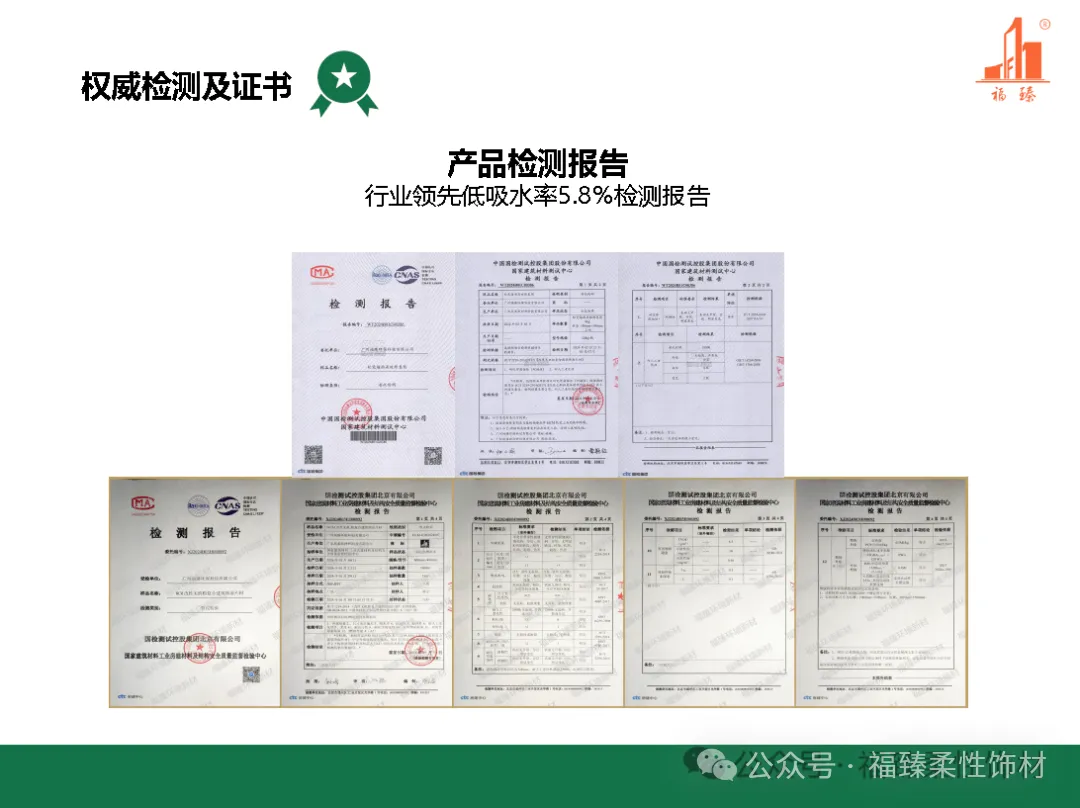
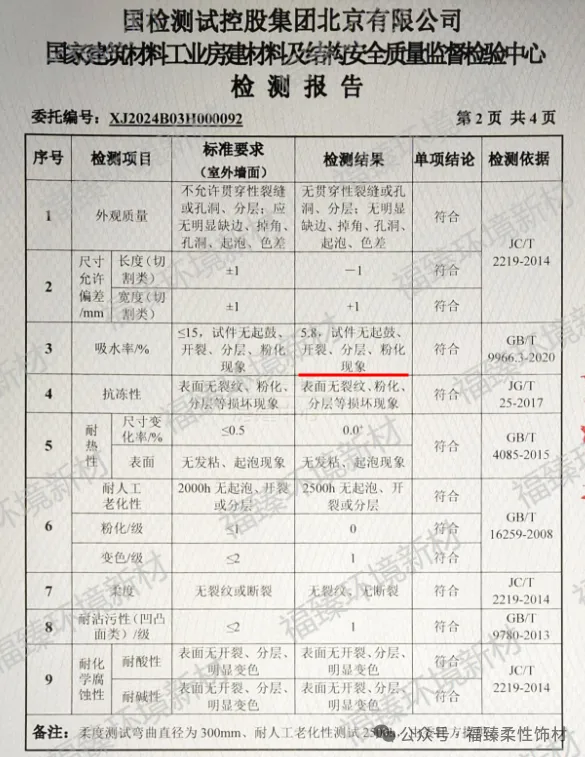
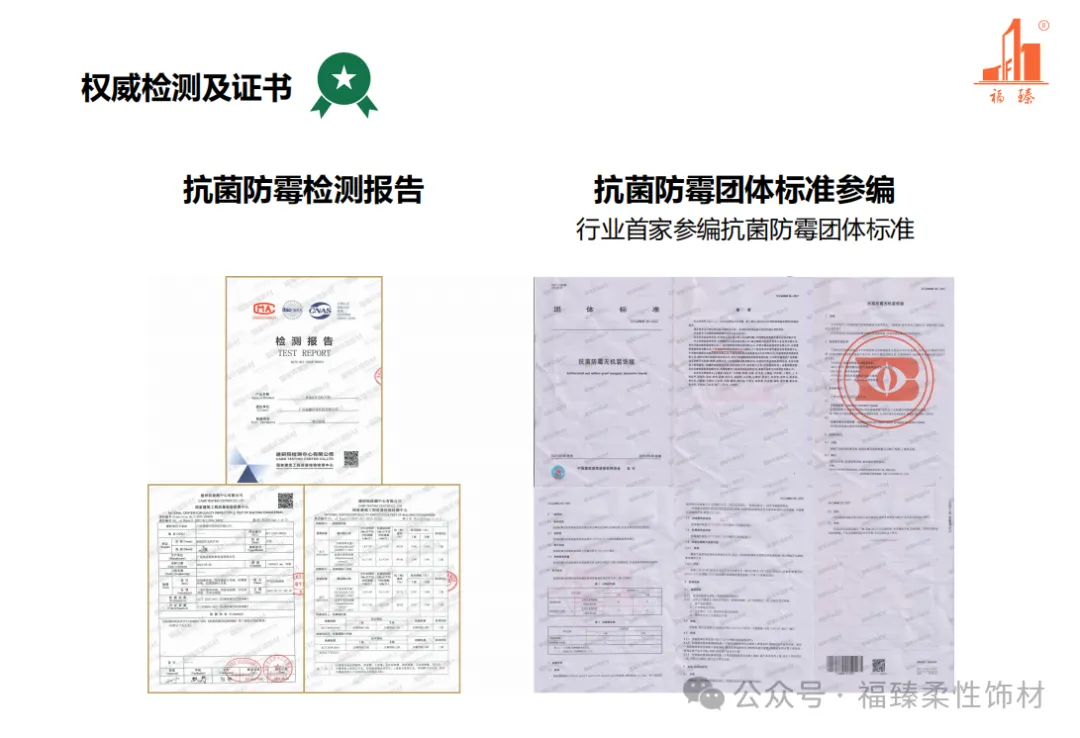
The water absorption rate detected by the national inspection is 5.8%.
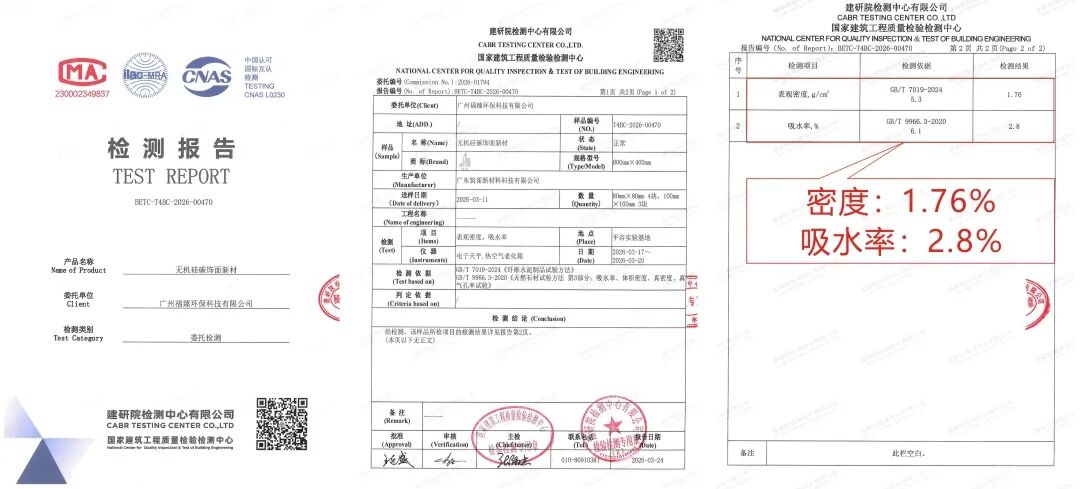
The water absorption rate detected by the Construction Research Institute is 2.8%.
1.Performance and Durability: Which is more resistant?
Summary: Clay boards have an advantage in fire - resistance, but they are brittle and have a relatively high water absorption rate, making them vulnerable to environmental impacts. Fuzhen flexible clay boards perform more balanced in terms of moisture - resistance, impact - resistance, and environmental friendliness, and are more suitable for complex outdoor environments.
2. Construction and Adaptability: Which is more worry - free?

Weight and Building
LoadThe average self - weight of clay boards is 25kg/㎡. Dry - hanging keels are required to disperse the load, which poses high requirements for the building structure. High - rise buildings or renovation projects need additional reinforcement.
The average self - weight of Fuzhen flexible boards is only 4 - 10kg/㎡, exerting almost no pressure on the building load. No additional reinforcement is needed, and it is suitable for all scenarios.
Installation Methods and Construction Efficiency
Clay boards only support dry - hanging. Custom - made keels/hanging parts are required, with complex procedures and high technical requirements. It can't be used on irregular walls, and the construction period benchmark is 100%.Fuzhen flexible boards support both wet - pasting and dry - hanging. For ordinary walls, one person can directly paste them, shortening the construction period by more than 30%. They can be directly bent and attached to irregular/curved walls, with no pressure in shaping.
Material Loss and Comprehensive Cost
Clay boards are brittle, with an average transportation and construction loss rate of 8%. The cost of dry - hanging auxiliary materials accounts for a high proportion, and the overall cost benchmark is 100%.Fuzhen flexible boards are flexible and crack - resistant, with a loss rate approaching 0. Only a special adhesive is needed without additional keel costs. The overall cost is only 60% - 70% of that of clay boards, showing a significant cost - performance advantage.
Summary: Fuzhen flexible clay boards have an overall advantage in construction efficiency, applicable scenarios, and cost control, especially in irregular, renovation, and high - rise projects.
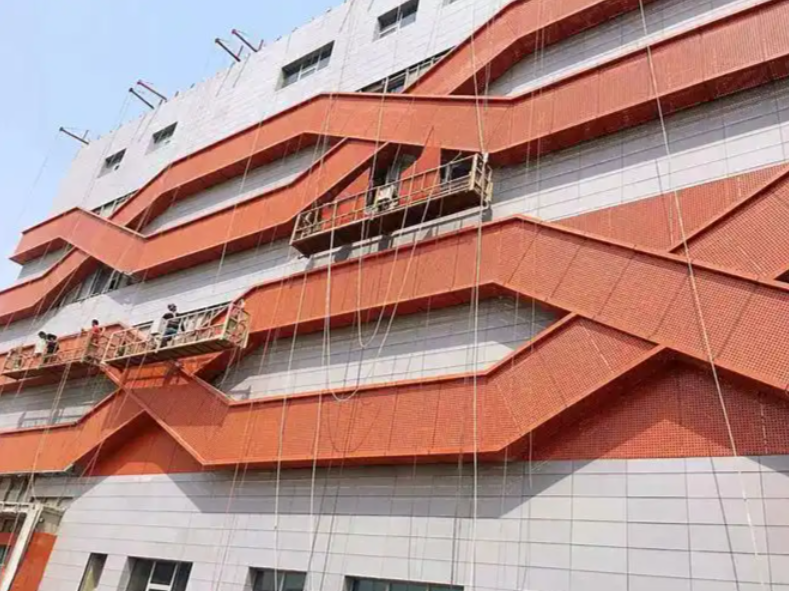
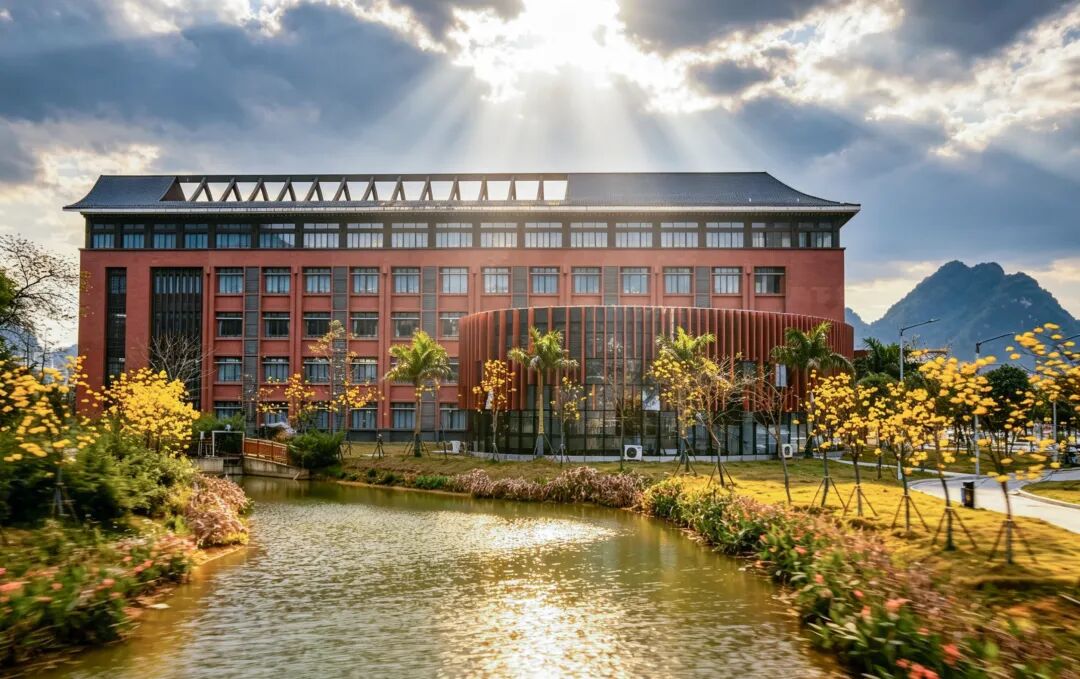
The teaching buildings of Guangxi University for Nationalities that have been completed and put into use
3.Maintenance and Post - installation Costs: Which is more hassle - free?
Clay Board: The surface has a porous structure. During long - term outdoor use, it is prone to dust accumulation and dirt penetration. Also, due to its relatively high water absorption rate, it is likely to experience efflorescence and whitening in a humid environment, thus requiring regular cleaning and maintenance. Once it breaks, the replacement cost is high, and it is difficult to repair the dry - hanging structure.
Fuzhen Flexible Clay Board: With a high - density base material and a nano - protective layer, the surface is dense and does not allow dirt penetration, and is not prone to dust accumulation. Daily cleaning only requires wiping with clean water. It is not prone to efflorescence or mildew, and does not need frequent maintenance during long - term outdoor use. The possibility of local damage is relatively small, and repairs are convenient with low costs.
Summary: Fuzhen flexible clay boards have lower post - installation maintenance costs, being more worry - free and labor - saving.
4.Aesthetics and Customization: Which Offers More Room for Imagination?
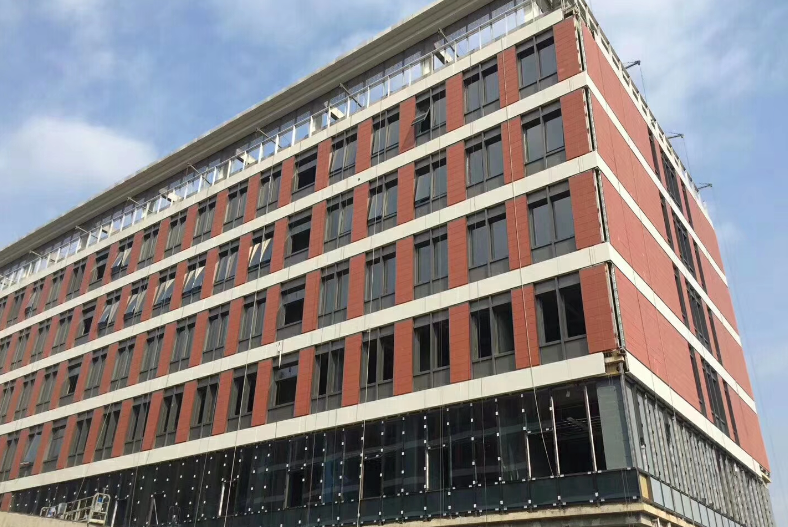
Traditional clay boards have a single shape.
Clay Board: The colors mainly come from the clay itself, mainly in earth - yellow, reddish - brown, and gray color systems, with limited color options. The textures are mainly flat or grooved, with a single shape, making it difficult to achieve complex textures and customized designs.
Fuzhen Flexible Clay Board: Through AI 3D printing technology, it can replicate various textures such as natural stone, clay, and wood grain. Colors and textures can be customized. Whether it's the warm texture of clay or the rock texture of marble, it can be accurately restored, providing a higher degree of design freedom.
Summary: Fuzhen flexible clay boards are more flexible in aesthetic expression and customization, capable of meeting more design creative needs.
III. Comparison in terms of "environmental concept"
Clay Board
High energy consumption and high carbon emissions, contrary to the "dual - carbon" concept
High - temperature calcination above 1100℃ is a core production process, which consumes a large amount of natural gas or electricity, and the heat loss of the kiln is high. Compared with flexible materials cured at room temperature or low temperature, the production of such hard materials has extremely high carbon emissions. The carbon footprint of some products even far exceeds that of natural stone, running counter to the current mainstream trend of advocating green buildings and low - carbon environmental protection.
Non - degradable and difficult to recycle, difficult to handle at the end of the life cycle
The clay material after high - temperature sintering has extremely stable chemical properties and belongs to "inert hard materials". It cannot be naturally degraded and is difficult to recycle through conventional processes. The discarded materials after demolition can only be landfilled as construction waste and cannot be recycled, which will generate a large amount of solid waste pollution in the long run.
There is a risk of ecological damage in the mining of some raw materials
The open - pit mining of kaolin and clay will damage surface vegetation and soil structure, causing soil erosion; the mining of quartz sand will also affect the ecology of rivers and mountains. Although the raw materials themselves are non - toxic, the environmental costs of the mining process cannot be ignored, and they are not truly "eco - friendly raw materials".
Fuzhen Flexible Clay Board
Low energy consumption, low carbon footprint, truly adaptable to the "dual - carbon" target
No calcination is required. It is formed only through a room - temperature compounding process, which significantly reduces energy consumption and carbon emissions during production. The carbon footprint throughout the life cycle is extremely low. Some products can obtain a carbon footprint certification and an EPD (Environmental Product Declaration), making it an optimal choice for green buildings and low - carbon projects.
Environment - friendly raw materials, no risk of mining - related damage
Using natural mineral powder (such as marble or quartz ore powder) as raw materials, it is a form of industrial solid waste resource utilization. There is no need to mine new mineral resources like kaolin and clay, thus avoiding the ecological damage to mountains and rivers caused by open - pit mining. Paired with inorganic polymer materials, it is non - toxic, harmless, and non - radioactive, and there are no harmful gas emissions during the production process, achieving green production from the source.
Recyclable and reusable, solving the problem of end - of - life solid waste
The material has stable chemical properties and can be 100% recycled and reused through crushing and re - processing, without generating construction waste. Some products can also be degraded under specific conditions, avoiding the environmental pain points of traditional sintered materials, such as non - degradability, non - recyclability, and the only option of landfill. It truly realizes environmental friendliness throughout the entire chain from production to disposal.
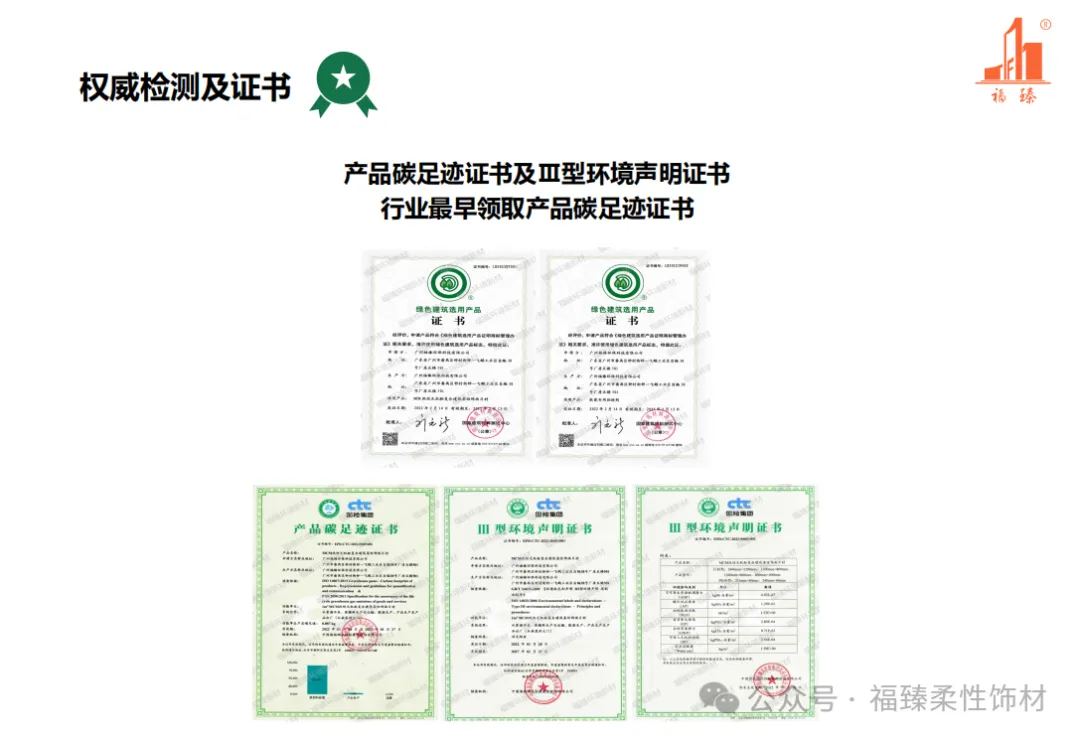
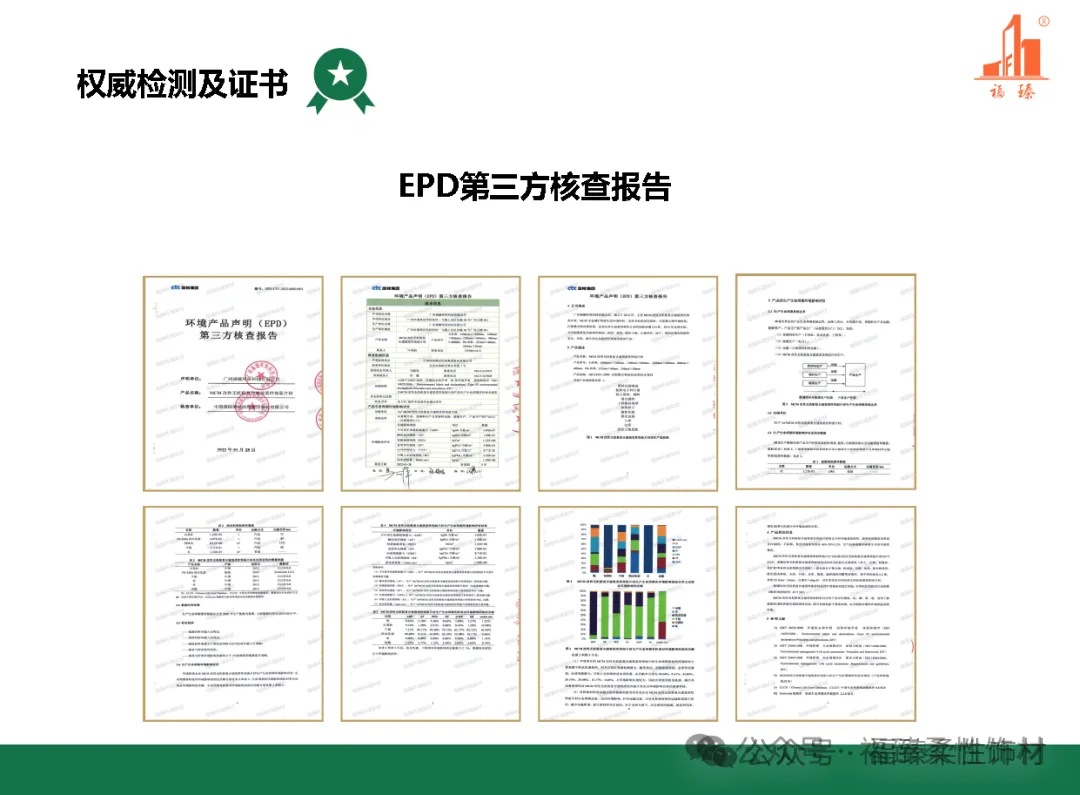
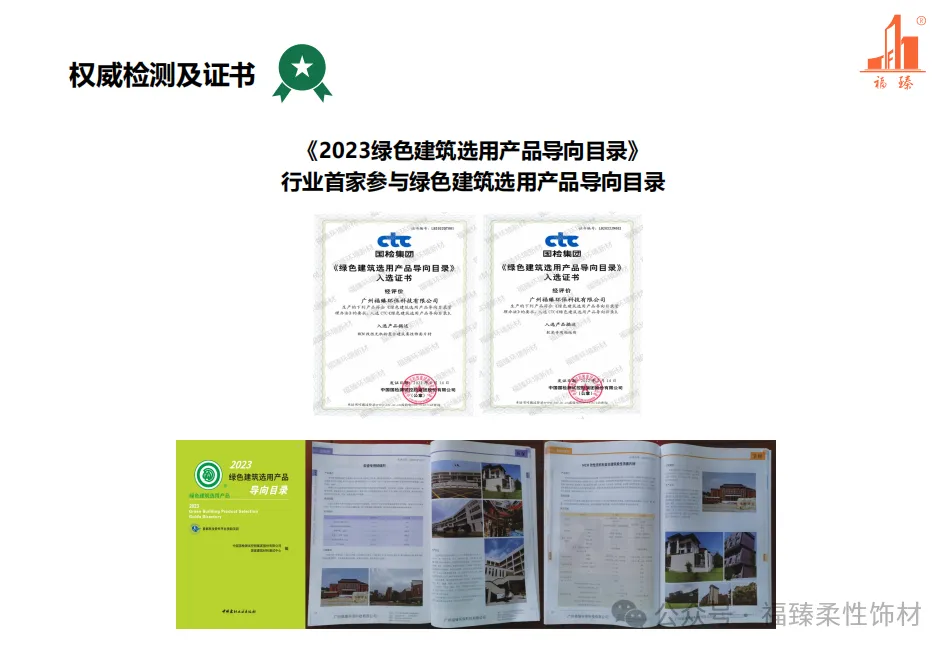
Authoritative Certification: It has won the national carbon footprint certification and environmental declaration certificate, with extremely low carbon emissions throughout its life cycle (LCA).
Future Responsibility: Choosing Fuzhen Soft Porcelain means choosing to be an active contributor to the "dual - carbon" goal, leaving room for the future.
IIII. Summary: How to choose the right material between the two?
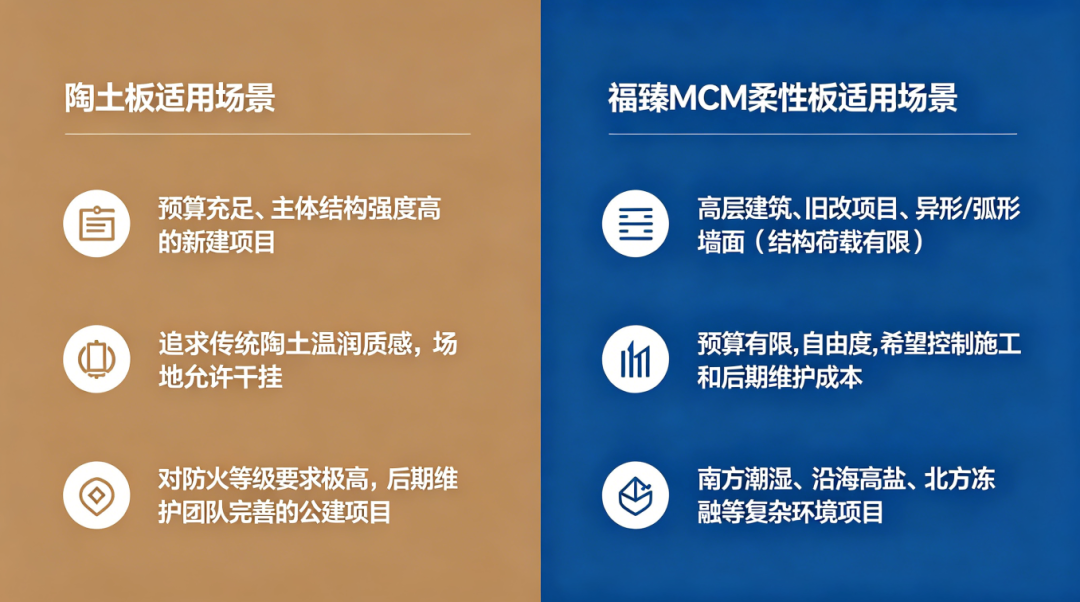
Choose clay boards for these scenarios:
✅ New construction projects with sufficient budget and high - strength building main structure.
✅ Projects that pursue the warm texture of traditional clay and where the construction site conditions allow dry - hanging.
✅ Public construction projects with extremely high requirements for fire protection rating and a complete post - construction maintenance team.
Choose Fuzhen MCM flexible clay boards for these scenarios:
✅ High - rise buildings, renovation projects, irregular/curved walls (with limited structural load).
✅ Projects with limited budget, aiming to control construction costs and post - construction maintenance costs.
✅ Projects that pursue design freedom and require customized textures and colors.
✅ Projects in complex environments such as humid areas in the south, high - salt coastal areas, and freeze - thaw areas in the north.