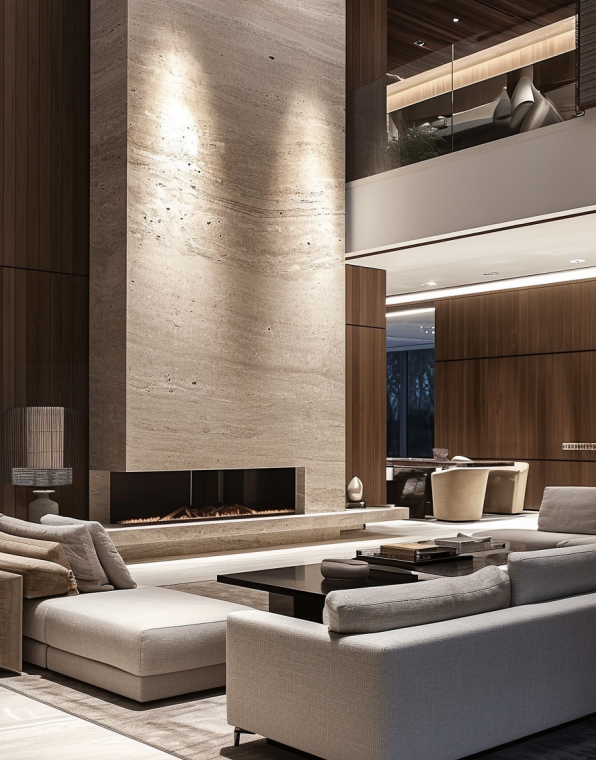
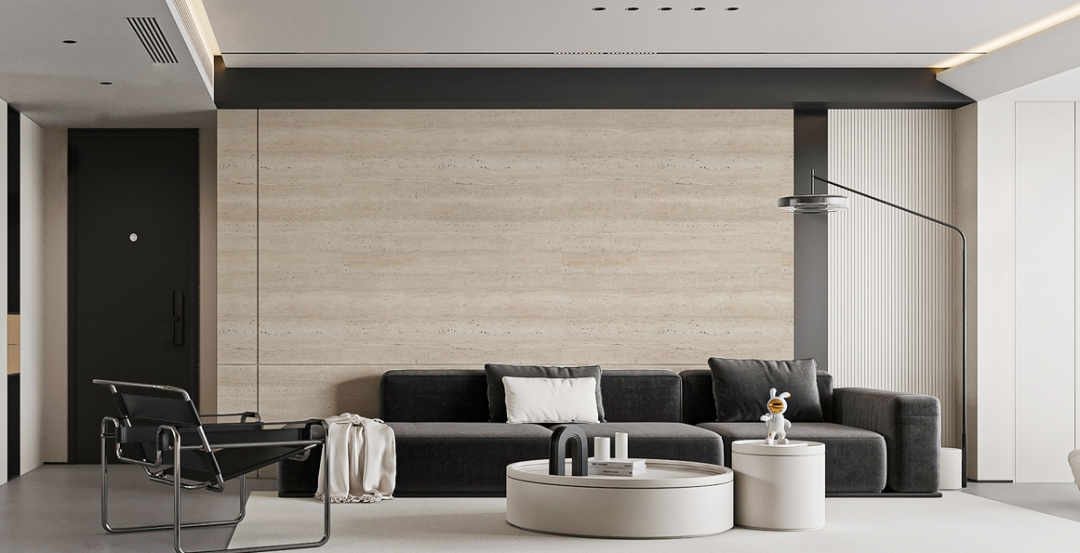
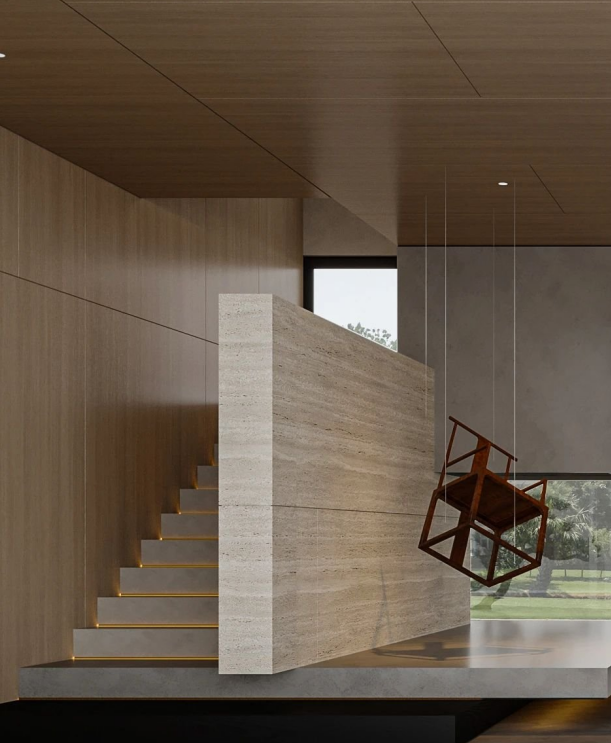
Fuzhen Soft Porcelain - Flexible MCM Travertine: Solving the Pain Points of Natural Travertine, Reinventing Retro Decoration Options with Technology
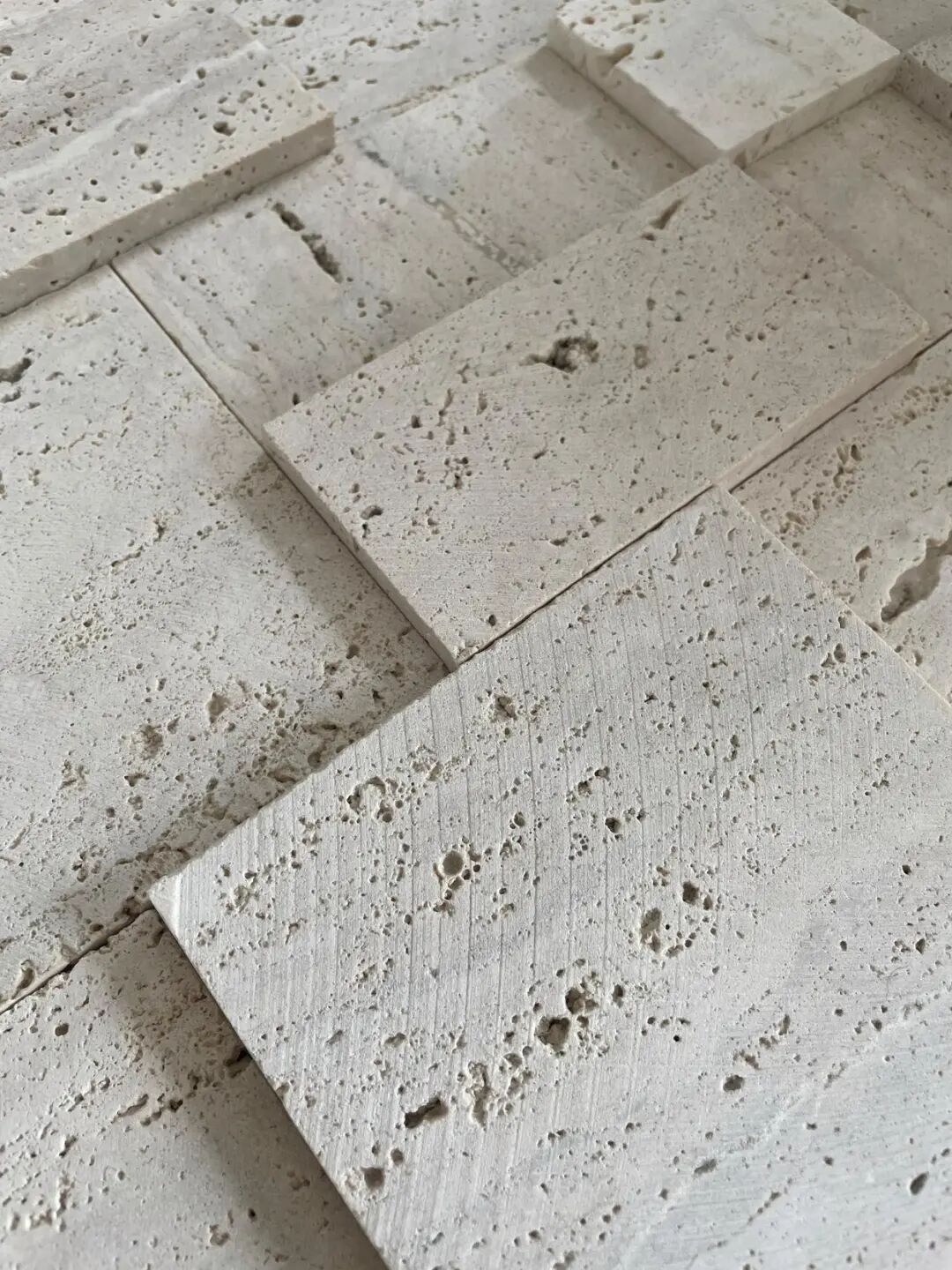
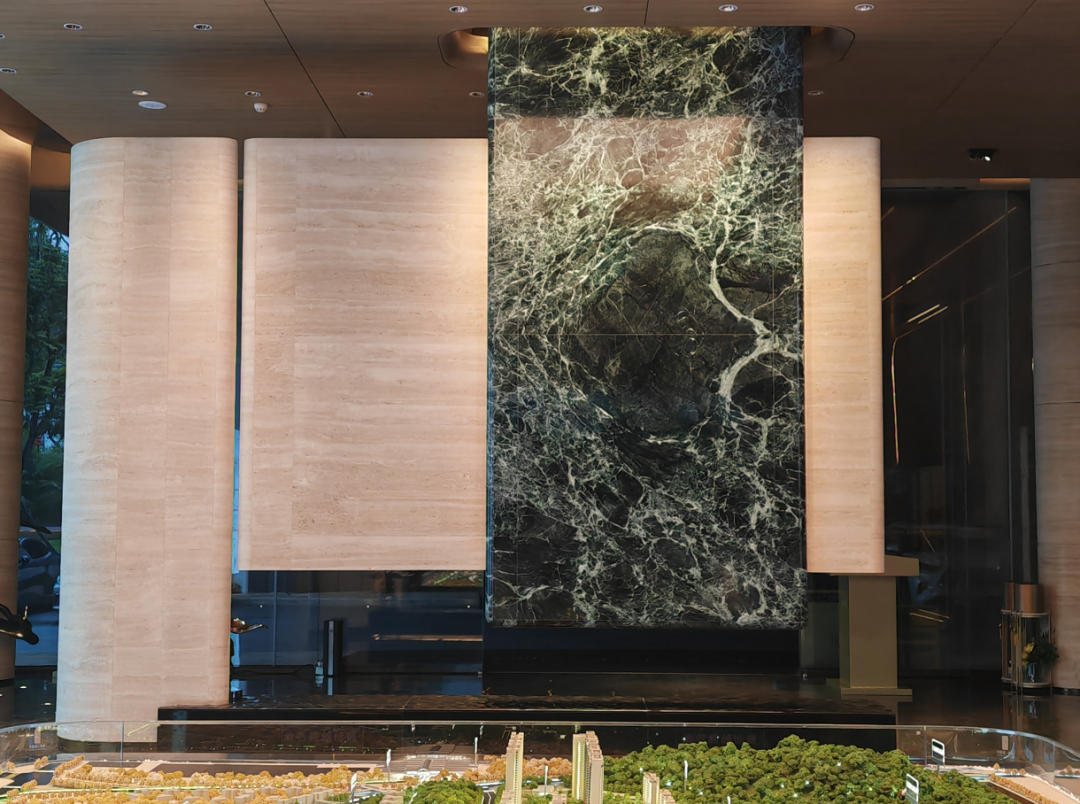
Colors, Origins and Historical ApplicationsRich in colors:Natural travertine comes in a variety of hues including gray - white, off - white, beige, yellow, golden yellow, gray, brown, coffee, light red, and brown - red. Among them, the beige color is the most common, suitable for a variety of decorative styles.Core origins:It is mainly produced in traditional stone - producing regions such as Italy, Turkey, and Iran. Travertine resources have also been discovered and a small amount is produced in Henan Province, China.Historical heritage:Travertine has a long history in European architectural decoration. Classic buildings such as the Colosseum in Rome, St. Peter's Basilica, and the Parliament Building all use travertine as the main building material. Its long - standing history, strong classical atmosphere, and intense artistic appeal are unparalleled.
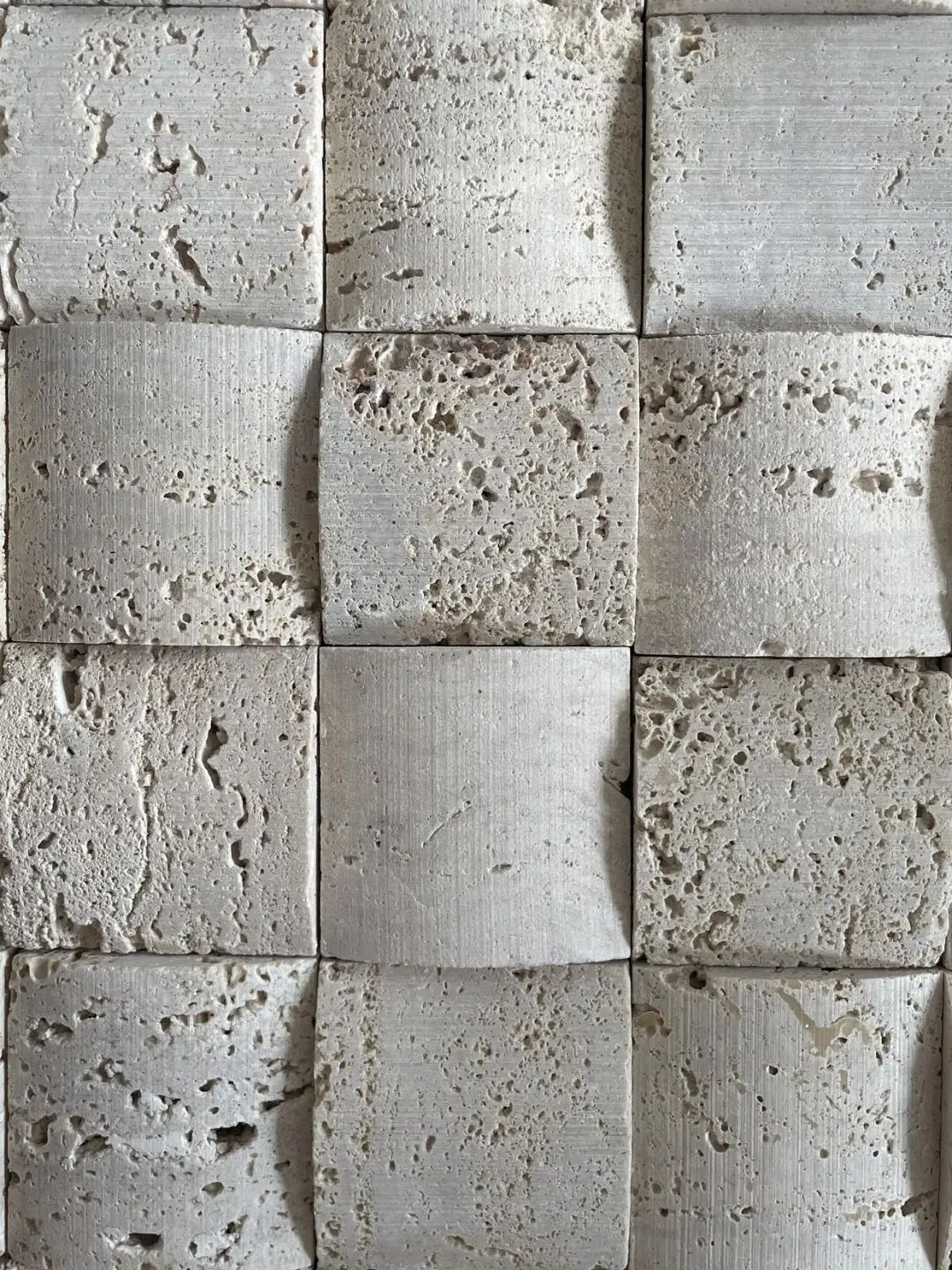
The formation of travertine stems from the sedimentation process of limestone over thousands of years. Its core formation environment is mostly at the bottom of the sea or large lakes (a static water environment with weak hydrodynamic force).
Travertine with commercial value needs to meet the conditions of "uniform texture and beautiful patterns", and the formation of patterns is directly related to environmental disturbances:In a static water environment, the sedimentation process is stable, and straight patterns are likely to form.When hot springs gush out and cause water flow disturbances, the sedimentation rhythm is disrupted, and curved patterns will form.During the formation process, if the limestone dissolved by groundwater contains more impurities, primitive patterns will form after precipitation; if the dissolved limestone gradually becomes pure, the patterns will naturally disappear.It should be noted that the patterns of travertine are all naturally formed and cannot be artificially intervened. At the same time, the presence of natural pores also leads to poor flexural and compressive strength. If it is subjected to relatively large external forces, it is likely to break and produce a large number of cracks, directly losing its commercial value.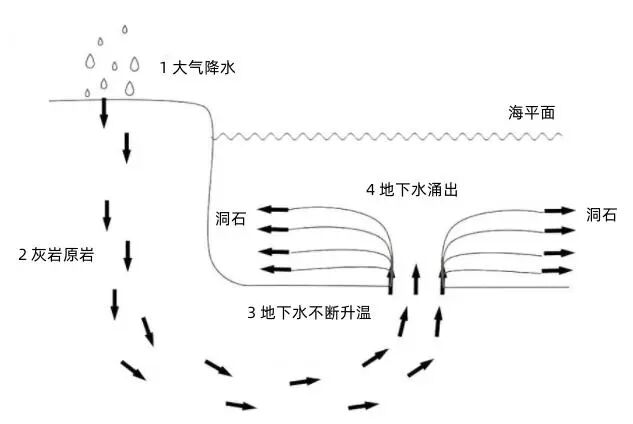
Core characteristics of natural travertine materialsThe advantages of natural travertine are concentrated in "easy - to - processability" and "decorativeness", which are specifically manifested as follows:
Easy to mine and transport:With a uniform lithology and low hardness, it is extremely easy to mine and process. Moreover, it has a small density (light weight), which is convenient for long - distance transportation, making it a widely used basic building stone.
Excellent processability:It has a fine texture and strong processing adaptability, and can be deeply processed into carving materials or special - shaped components.
Good functional properties:It has good sound - insulation and heat - insulation properties, making it suitable as the main material for indoor and outdoor decoration.
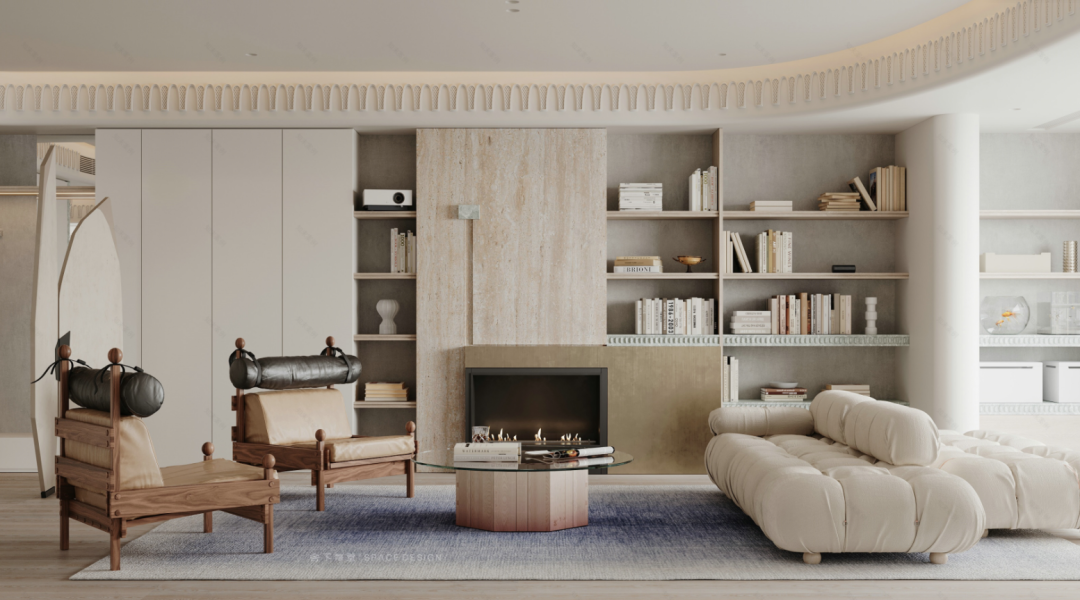
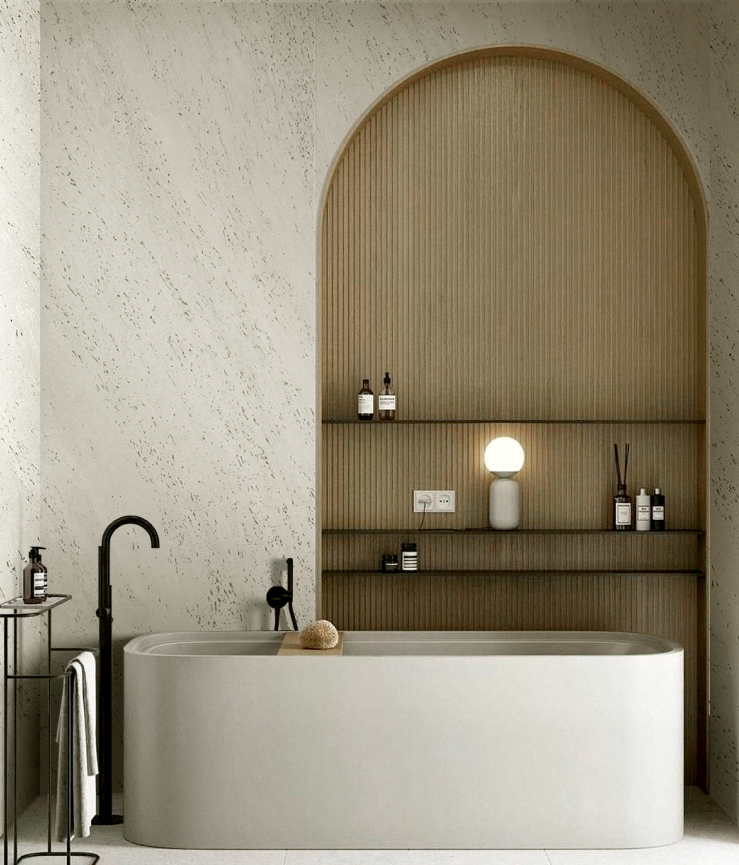
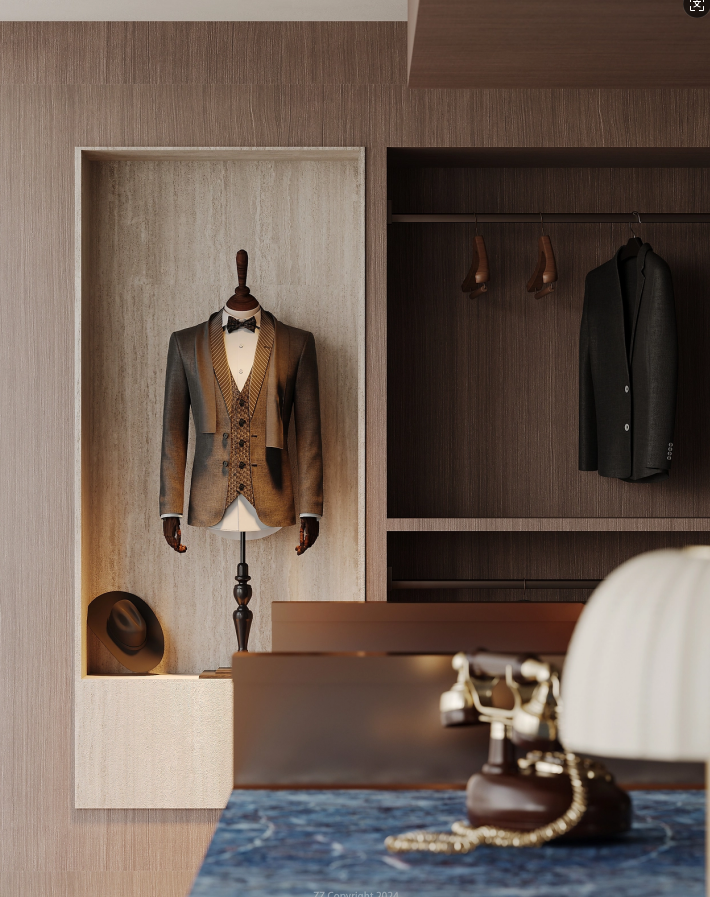
Prominent decorativeness:Its rich colors, unique textures, and natural pore structures not only make it suitable for building exterior wall decoration but also an ideal stone for indoor soft - decoration matching.
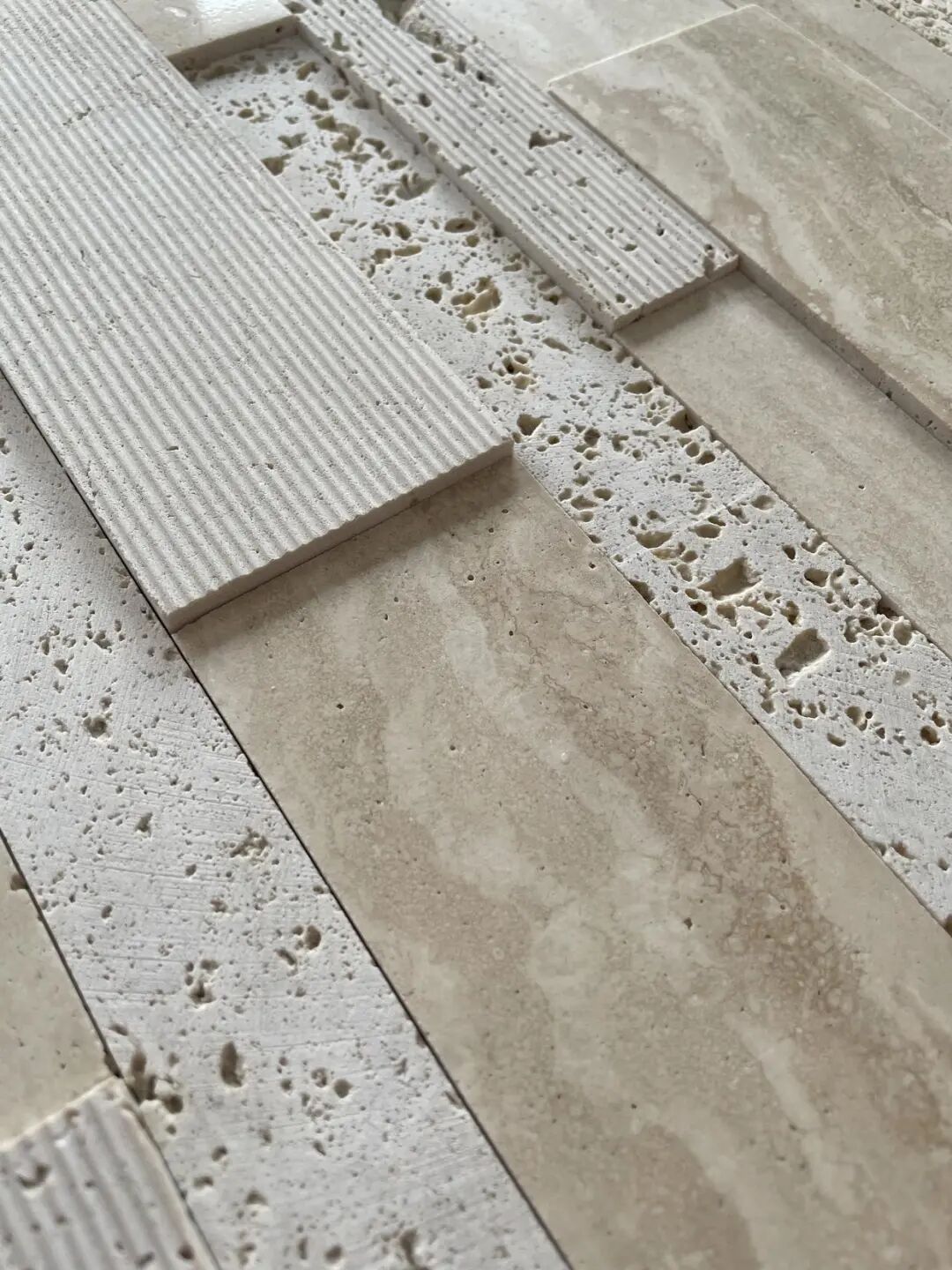
Potential problems of natural travertineLimited by its "resource attributes" and "material characteristics", the large - scale application of natural travertine has obvious limitations. Currently, it is mostly used only as a high - end indoor dry - hung wall material. The core problems include:
(1) Insufficient strength and high safety risksA large number of pores result in a low bulk density and high water absorption rate. Physical performance indicators (such as compressive and flexural strength) are lower than the standards of conventional marble.It has many internal natural defects (texture gaps, clay - like lines, clay - like bands, cracks) and poor color uniformity.As a carbonate limestone, it has weak acid resistance. If used in areas with heavy rainfall, it is easily eroded by acid rain, accelerating the weathering, powdering, and damage of the stone.The above problems pose extremely high safety hazards when it is used in large - scale for exterior walls through the dry - hanging process.
(2) Prone to breakage with clear weak pointsThe most significant safety hazard of travertine lies in its internal clay - like lines and clay - like bands. These areas are the "weak links" in flexural strength and are often hidden under beautiful patterns, becoming the areas most prone to breakage, which makes later maintenance difficult.
(3) Pores are easy to get contaminated, and it's hard to maintain aestheticsThe openness of the pores makes them "channels for pollutants". If used on exterior walls or indoor floors, dust, rainwater, and stains (such as coffee stains and oil stains) can easily penetrate into the interior of the stone. The originally beautiful surface will gradually become dirty and discolored, and in severe cases, it may even become unrecognizable, and cleaning is extremely difficult.
(4) Poor weather resistance, prone to expansion and cracking at low temperaturesSpecial attention should be paid in areas with large temperature differences in the north. The water vapor remaining in the pores will freeze and expand at low temperatures. After repeated freeze - thaw cycles, the stone is likely to crack, which not only affects the appearance but also may cause safety accidents such as detachment.
Fuzhen Soft Porcelain - Flexible MCM Travertine: An alternative solution driven by core soft porcelain technologyTo address the defects of natural travertine, Fuzhen Soft Porcelain - Flexible MCM Travertine came into being. By using the core MCM soft porcelain technology to create the "decorative texture" of natural travertine while avoiding problems such as "poor strength and easy contamination", it has become the mainstream choice for current architectural decoration.
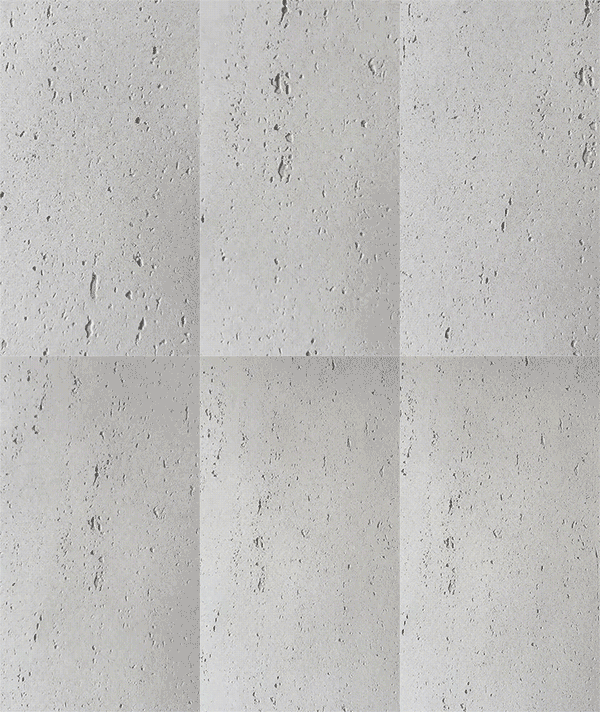
The core advantages of Fuzhen Soft Porcelain - Flexible MCM Travertine lie in "controllable dimensions and high yield rate":The dimensions are regular and uniform, and molds can be customized according to project requirements. The standard size of large boards is 3000×1200mm.With unified dimensions, there is no need for complex layout. An ideal yield rate can be achieved with a little optimization (which can be visually calculated in the initial stage of the project). This not only saves the construction period but also reduces the cost of material loss.Core advantages of Fuzhen Soft Porcelain: Controllable patterns + environmentally - friendly production(1) Customizable patterns to meet personalized needsUnlike natural travertine with "uncontrollable patterns", Fuzhen Soft Porcelain - Flexible MCM Travertine can accurately reproduce the irregular pores of natural travertine through AI 3D printing technology. It can even customize special colors according to design requirements, adapting to more diverse decorative styles.

(2) The production process is environmentally friendly, imposing no environmental burden.

The MCM modified soil molding process is adopted, and no harmful gas is emitted during the production process, thus avoiding air pollution.The soil after composite modification has excellent plasticity. Under photochemical isomerization and controlled curve temperature, it can be made into various sheet materials, block materials, coil materials, and profile materials at will. For example, various architectural facing sheet materials such as terracotta boards, stones, split bricks, and wood - like tiles synthesized from modified soil only consume 0.2 kWh of electricity per square meter. Moreover, its self - weight is about 3 - 6 kg/m², and it has flexibility, which is conducive to being used in combination with various materials. Its performance in terms of earthquake resistance, crack resistance, freeze - thaw resistance, and self - cleaning anti - pollution is excellent.
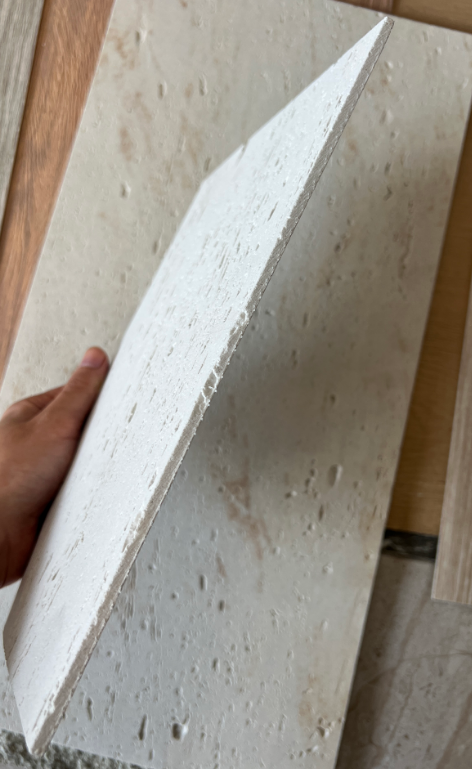
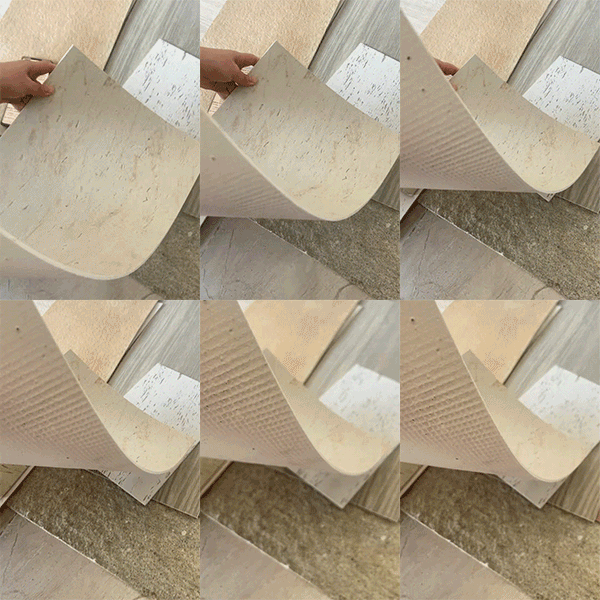
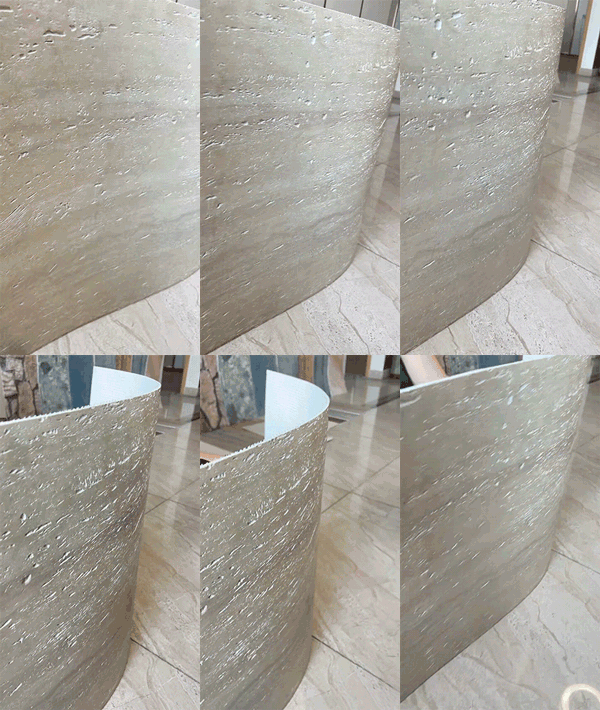
With the support of Fuzhen Soft Porcelain's core technology, Fuzhen Soft Porcelain - Flexible MCM Travertine further demonstrates its environmentally - friendly features. It surpasses natural travertine in many aspects, achieving technical indicators such as high density, low water absorption rate, zero powdering, antibacterial and anti - mildew properties. After any base surface has been inspected for hollowing, it can be directly pasted onto the wall using Fuzhen Soft Porcelain's special adhesive. With natural raw materials, it is free from formaldehyde and radiation and can decompose odors. Even if there are elderly people and children at home, it can provide sufficient peace of mind.

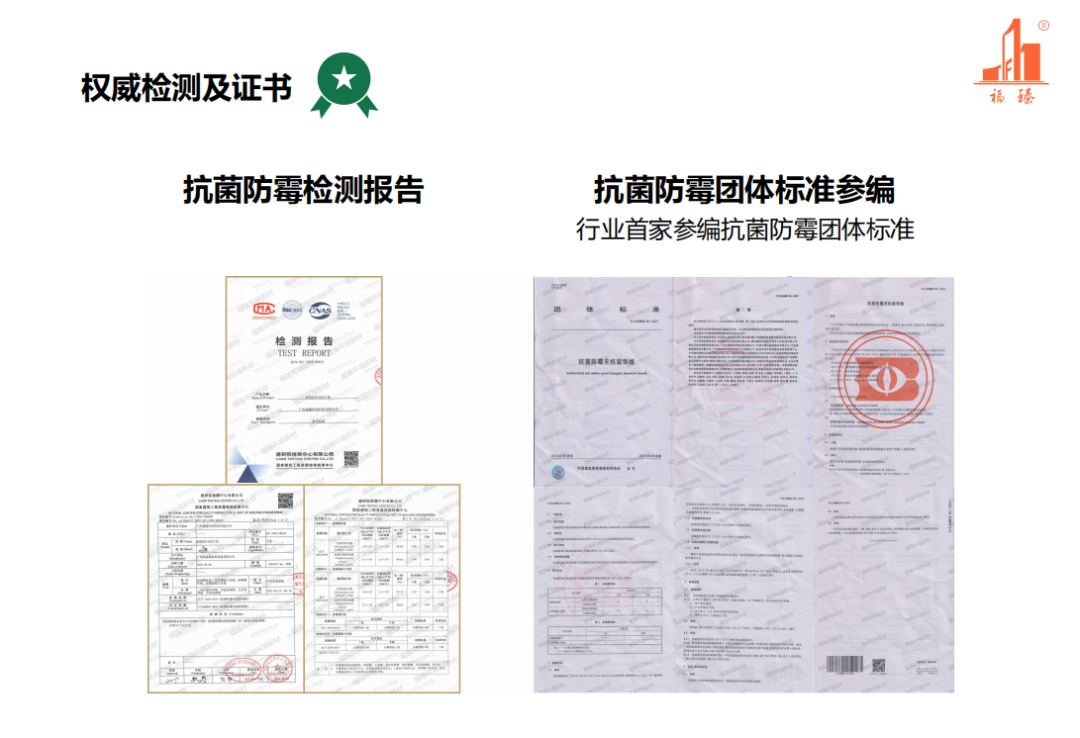
The output of natural travertine in China is low. With consumers' increasing pursuit of a "natural and high - quality feel", natural travertine is restricted by factors such as scarce supply, high prices, easy contamination, difficult maintenance, and radiation, making it difficult to be widely popularized on a large scale. Fuzhen Soft Porcelain - Flexible MCM Travertine solves the defects of natural travertine through technology while retaining its unique texture. It significantly reduces the application cost and avoids the environmental damage caused by mine exploitation. It is the "preferred solution" for contemporary architectural decoration.